

Understanding the Intricacies of Jueteng
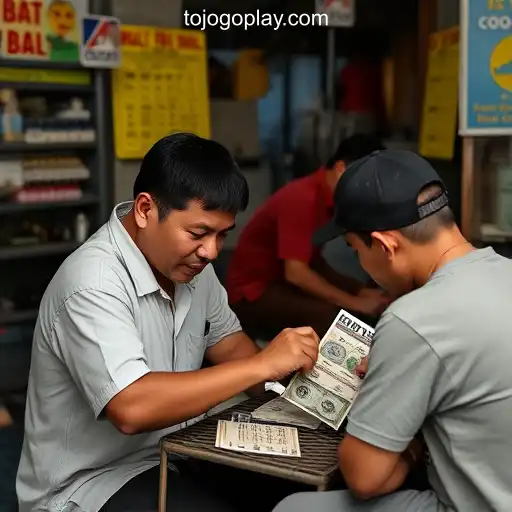
Jueteng is a well-known illegal numbers game rooted deeply in the cultural fabric of the Philippines. Despite its illegal status, it remains popular and draws participants from various walks of life. On platforms like TOJOGO.Com, enthusiasts can dive into the excitement and fun that is associated with legal forms of gaming daily.
The Basics of Jueteng
Jueteng is fundamentally a lottery-like game where two numbers ranging from 1 to 37 are drawn. Participants place their bets on any combination of these numbers, hoping to predict the winning combination. Despite its simple premise, the game involves a complex network of operators and bet collectors known as ‘cobradores’ and ‘cabos’ respectively.
The Role of Jueteng in Filipino Society
The game of Jueteng has permeated various levels of Filipino society. It is especially popular in provincial towns and cities where economic opportunities may be limited. Here, the allure of winning a large sum of money with a small stake is very appealing. Although authorities frequently attempt to eradicate it, Jueteng persists due to its deep cultural roots and the economic benefits it provides to many people.
Reasons Behind Jueteng’s Enduring Popularity
One of the primary reasons for Jueteng's popularity is its accessibility. Unlike other forms of gambling, which might require travel to a specific location or adherence to particular schedules, Jueteng can be played anywhere at any time. This convenience makes it a favored choice among ordinary citizens.
Another factor contributing to the game's popularity is the community aspect. Jueteng serves as a social activity, bringing people together. It is common for bettors to form groups, pooling their bets in the hope of sharing their winnings. The game is not only about luck but also community spirit.
The Economic Impact of Jueteng
From an economic perspective, Jueteng plays a considerable role, particularly in lower-income communities. The payouts can significantly impact the financial situation of winners. However, it also presents ethical issues, particularly concerning its operation under the radar of financial regulations and taxation.
Challenges in Regulating Jueteng
Efforts to regulate or legalize Jueteng have faced significant hurdles. Corruption and local political dynamics often complicate enforcement of anti-Jueteng laws. Attempting to dismantle such an ingrained practice is challenging and often met with resistance from those who benefit financially from its operation.
Furthermore, previous attempts to introduce legal alternatives have not always been successful. The difficulty lies in creating appealing legal options that match the convenience and community engagement offered by Jueteng.
TOJOGO.Com: A Legal Avenue for Gaming Enthusiasts
With platforms like TOJOGO.Com, enthusiasts now have the opportunity to experience the thrill of gaming in a legal framework. TOJOGO.Com offers various games that recreate the excitement associated with gambling while adhering to legal standards.
This website provides a secure and regulated environment for participants, ensuring that their gaming experiences are both safe and enjoyable. By participating in legal and regulated gaming, enthusiasts can avoid the risks associated with illegal activities while still enjoying the excitement of betting.
The Future of Jueteng in the Philippines
The future of Jueteng is a complex topic, deeply intertwined with cultural, economic, and political factors. While efforts to curb its prevalence continue, its deep roots in Filipino culture make it difficult to eliminate completely.
Educating the public on the benefits of legal gaming platforms like TOJOGO.Com could be a step towards shifting interest away from illegal practices towards compliant and regulated activities. The challenge will be to maintain the sense of excitement and community that Jueteng provides in a new, legal format.